
Inventing a different type of pop filter
Got a stanky, old crusty nylon pop filter? Notice voice alterations when it gets soaked after you’ve spit or sing fire bars?
I got something straight from the aquarium that couldn’t get wet even if you seduced it with smooth (or sloppy) vocals.
Let’s start off with the lesson and then go into the geeky birth of the DIY Pop filter - The Tear Drop 101
The Lesson - taken from the book “Steal Like an Artist”
1.Steal like an artist.
2.Don’t wait until you know who you are to get started.
3.Write the book you want to read.
4.Use your hands.
5.Side projects and hobbies are important.
6.The secret: do good work and share it with people.
7.Geography is no longer our master.
8.Be nice. (The world is a small town.)
9.Be boring. (It’s the only way to get work done.)
10.Creativity is subtraction.
That one day I saw the “wheel”
It was a warm Spring Day - came back from a walk, went down to the basement recording studio and because I sought to get cleaner, non-splosive, less essing takes as I worked on new music. I’d resort to placing the mic off axis to my mouth, step back a bit further like James Harden, but the intimacy felt fleeting, like the day after a break-up. So I was like, “dammit, why can’t I get up on this mic, make love to it and NOT feel guilty about it?” Frustration simmered inside like the time that blonde in my 2001 White Chevy Corsica, told me,”Your first time should be special, and I don’t want to take it away from you” I was like,”I’m offering my V-Card and this woman doesn’t want to swipe it. Oh but before she knew I had a V-card, she was going down like Mario standing on a green pipe…
I digress - Frustration led me to seek answers, frustration led me to Youtube, and this guys channel” Podcastage”, where I saw, what looked like, a damn brillo black pad as his pop filter - I was like yo, is that a black brillo pad? As he spoke, and no matter how hard he blew splosives, it wasn’t coming through the mic. I was like ok, that pop filter is dispersing airflow without altering sound.
Podcastage and his black brillo pad pop filter
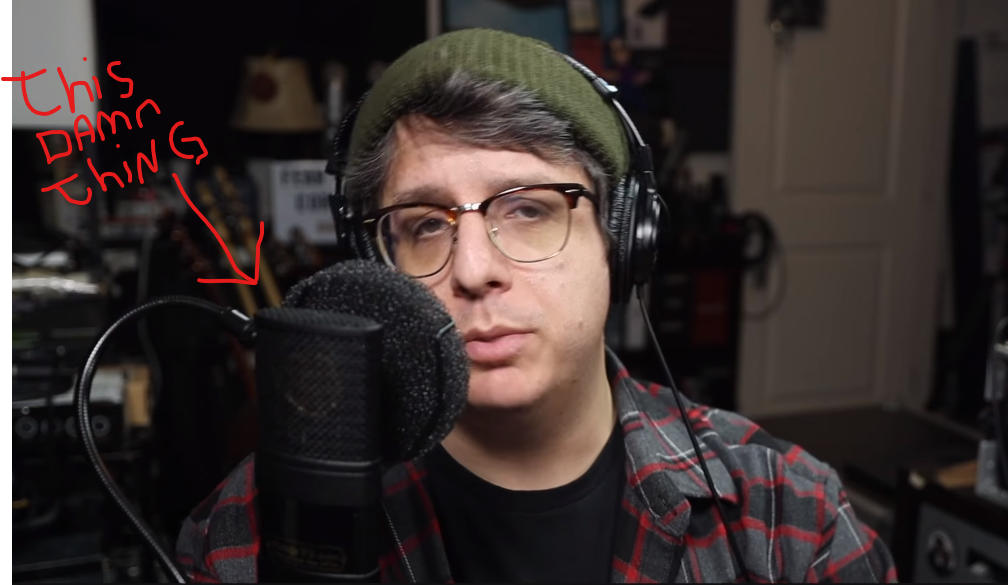
In the middle of his video - yeah, I wasn’t staying til the end, I HAD to know what the official name of that black brillo pad was - and of course, like all good Youtubers, “he had a link in the description below.” I found out it’s called the hakan P110 Pop Killer, sold at sweetwater.com for 99 bucks, and described as “Hydrophobic foam construction won’t absorb water” - yeah yeah fancy wording for - that pop filter is fuckin’ scared of water and calls it mean names behind its back.
The geek in me stays the course, like Clark Kent refusing to unbutton his damn shirt
I dug further, and with me being kinda good with word meanings, and general object analysis, I went to my trusty google and ebay sites - first I searched “Hydrophobic foam” no dice, and then I was like yeah hakan building buzz words into their product. I’m like ok, in what scenarios would you use “that” type of foam? That damn rabbit hole led me down to aquarium products, and I came across “reticulated open cell foam sponge filter media Aquarium Fish” alright, let’s cut the cute shit and get down to what this looks like and compare it to the black brillo pad, err, I mean the hakan P110.
Here’s what the product looks like on Sweetwater’s site:
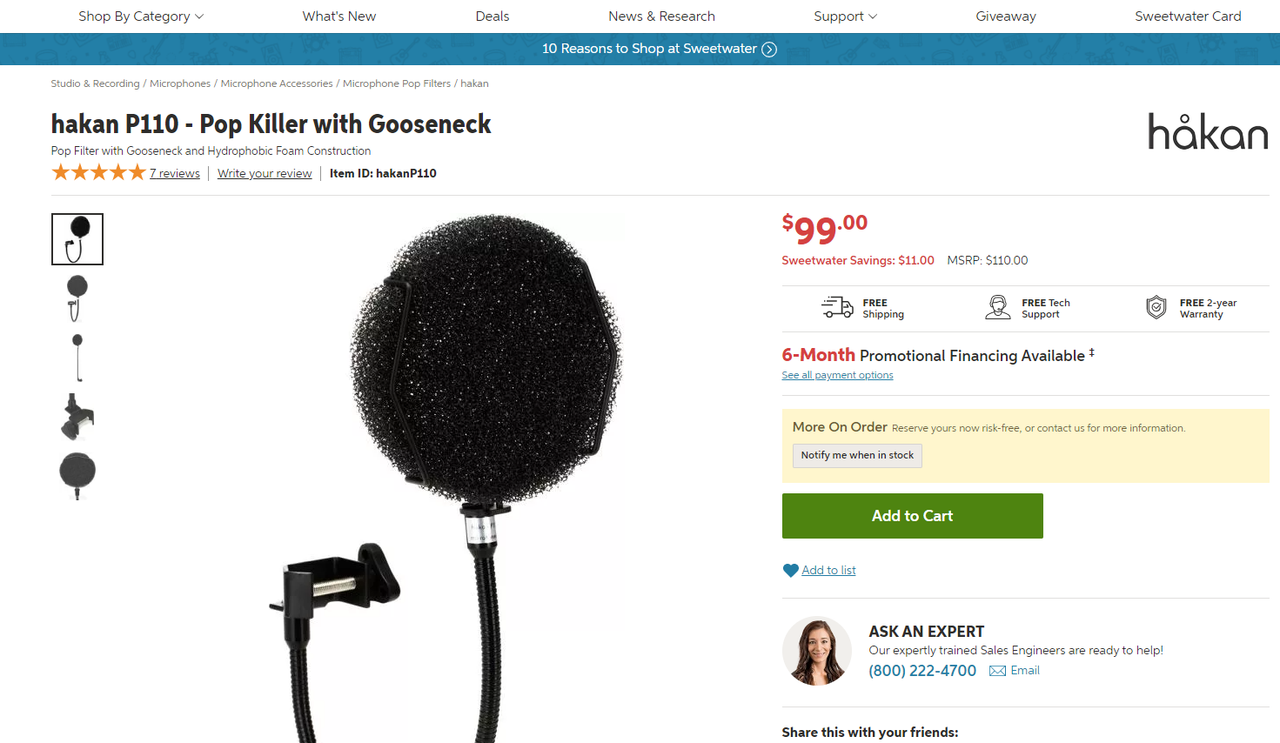
My eyes were keen in scoping out the patterns of the foam, and brought me to the conclusion, I would need a porous reticulated open cell foam, in less density, and the density is measure in PPI ( pores per inch) from my ebay selections, I chose the 20PPI Reticulated Open Cell Foam this foam goes all the way up to 40PPI (allows for greater water filtering but impedes water flow) I used that water flow analysis and applied it to air flow. With the lower density 20PPI foam, air flow would be dispersed widely through its web-like stucture, and with the 40PPI the air-flow would simply be reflected back at the mouth and would not make it through its tight structure.
Have a look here
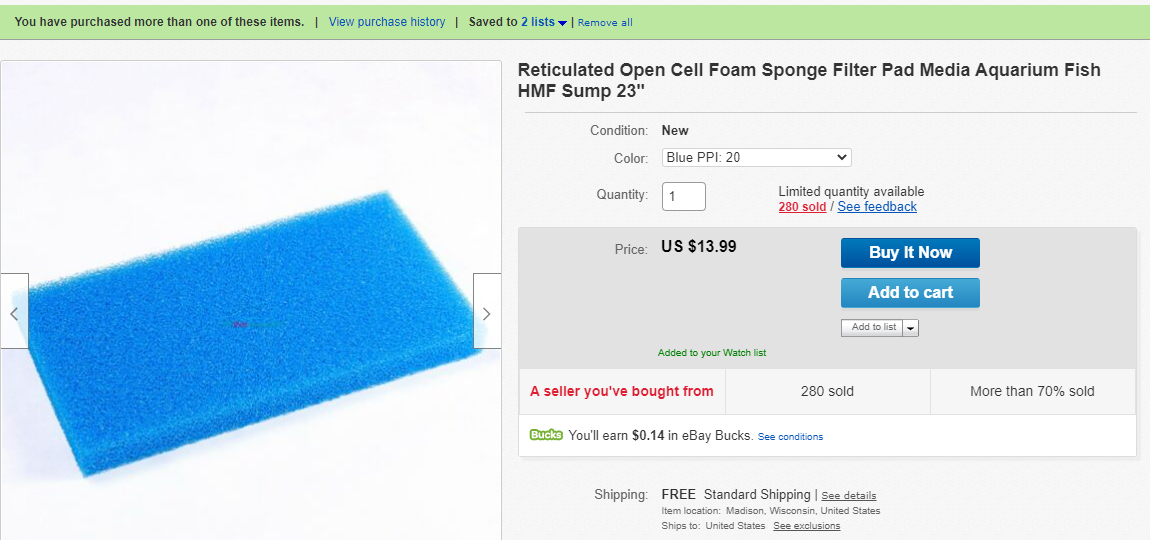
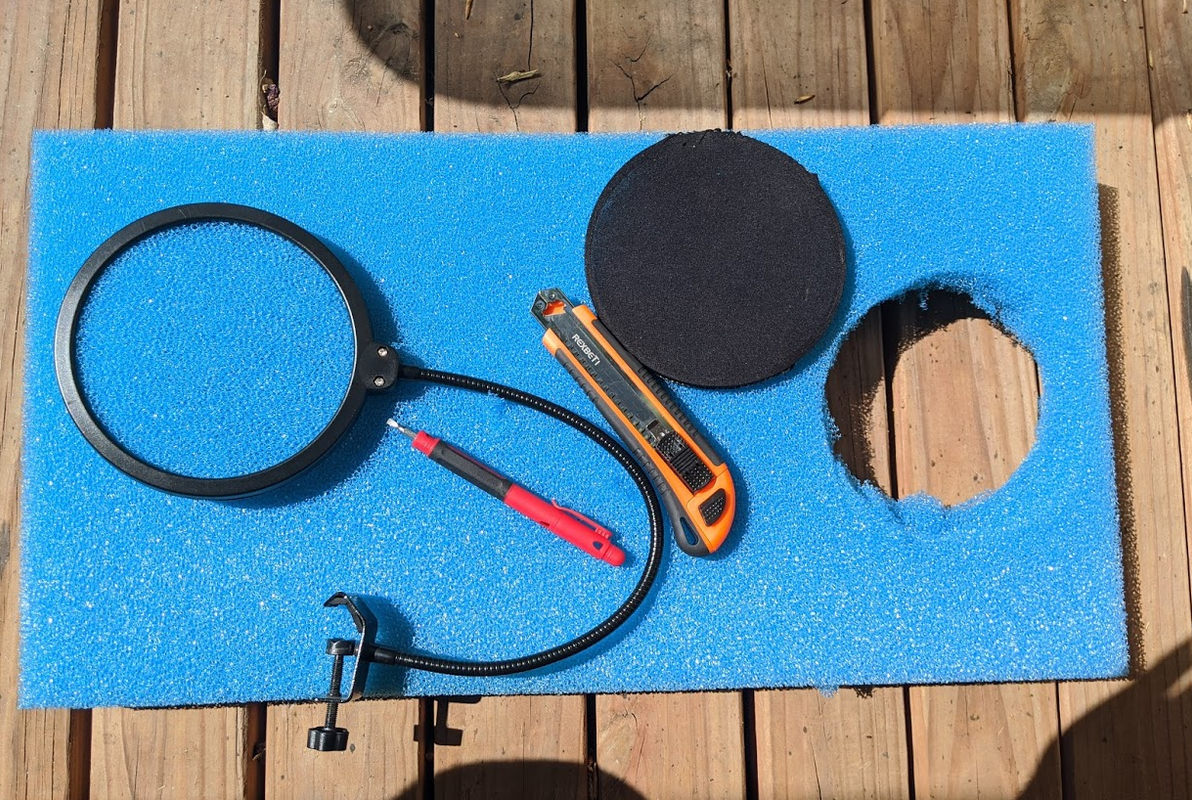
After short pondering, I ordered the 20PPI foam and waited about a week for its arrival and squeezed it like I do booty on a pirate voyage… Grabbed an old pop filter with the familiar nylon hose centered in its plastic ring, unscrewed it, popped it out, at this point I knew I couldn’t go back. It was like putting it in several times and then pulling out just to say it never happened - come on Gumby!
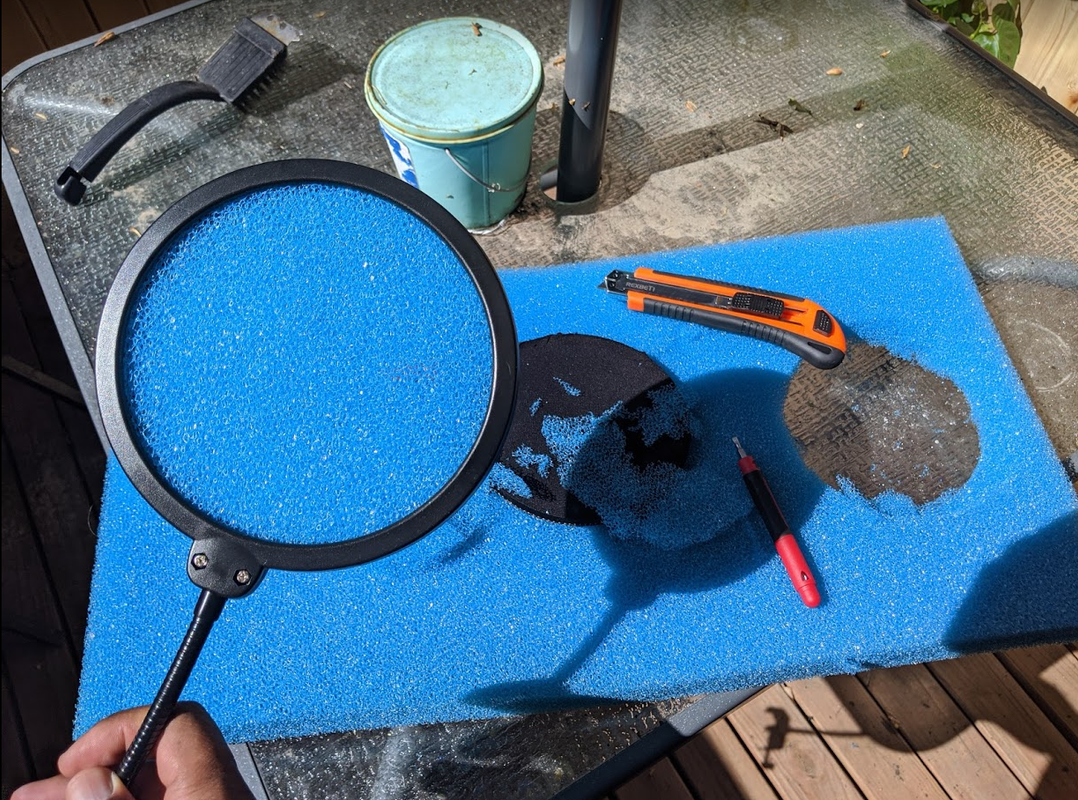
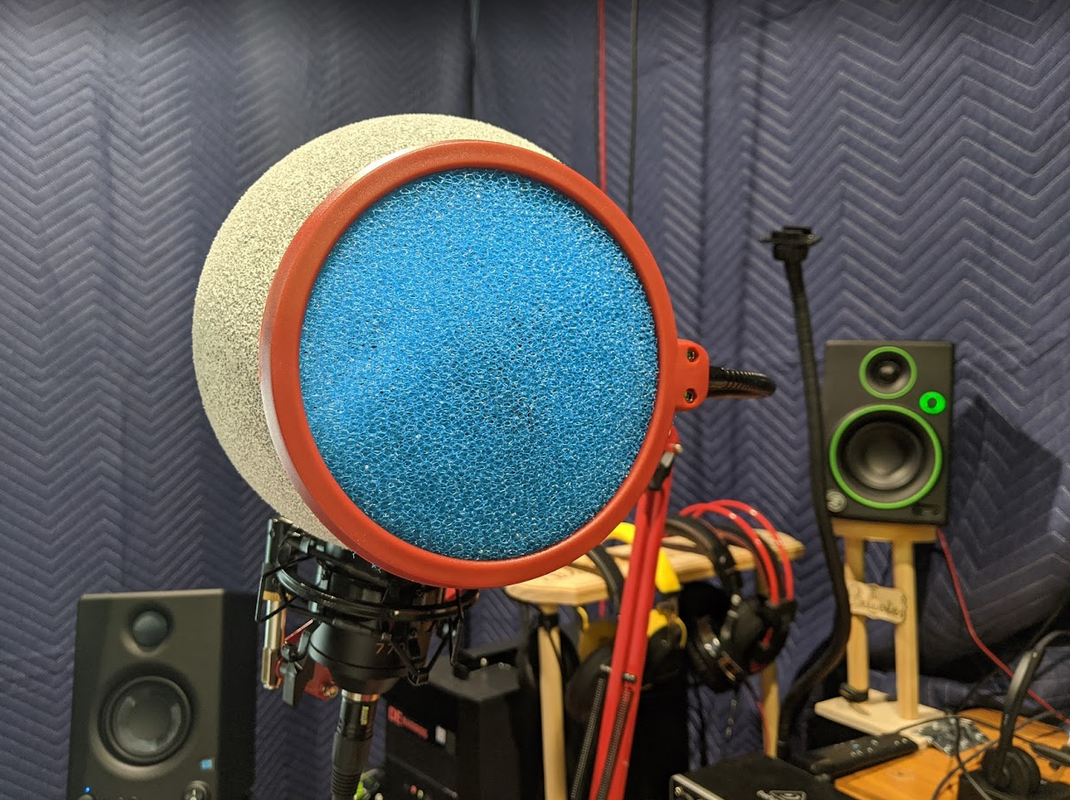
There we were, cut the “reticulated open cell 20PPI foam into the shape of the pop filter ring, popped it into place, screwed back together and hooked it back up to my microphone stand.
It was done, now it needed a name, like a newborn child…
It just hit me, blue foam, vocals so smooth it makes you want to cry (or shed a tear, whichever sounds best).
Lifting up the name like Link does at treasure chests in Zelda games
The Tear Drop 101 - pop filter by DeBarros
Summary and Conclusion
Now, could I be off with the density between the hakan p110 (aka black brillo pad) and the Tear Drop 101, sure. However, I didn’t have time, nor wanted to spend the 99 bucks on the aforementioned (I gotta stay smart with my ‘Rona money).
I can say this, after many vocal takes, the performance has been phenomenal, no more plosives, I can get closer up on the mic.
The risk or concerns I had going into this, was, “was the weblike structure of the reticulated open cell foam going to add in any “whispy or whistle like coloring to my voice?
I can so no, as long as I don’t blow into the Tear Drop 101 like a damn flute.
Materials needed
-existing nylon pop filter
-box cutter or long razer blade
-reticulated open cell 20PPI foam
-small screwdriver
-some blade skills
Total Time and Cost
23 bucks
20 mins - all current cutting done by hand (this could be reduced to 5mins or less with automation of cutting foam).
If I go into business with these - I’d sell them at 65 bucks a pop (pun intended)😆